
Canis Clickercamp – Day 5
Endre has an exciting challenge ahead of him now, as over the next year he needs to increase Embla's range from 400 to at least 800 metres, so that they can also pass the A-approval next summer.

8. juli 2015 · 3 min read · Canis Hovedkontor · Canis Trondheim
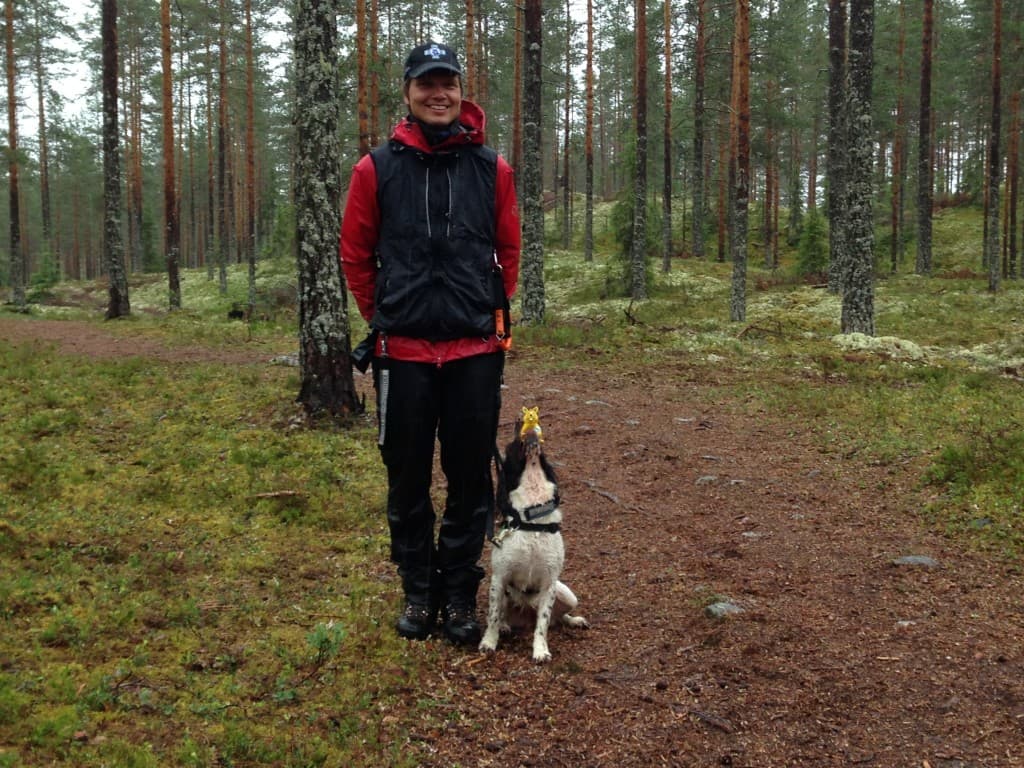
When teaching your dog to run long retrieves, it's tempting to train long distances. And if you've done solid foundation work at the beginning of training, you can add many blind retrieves quite quickly, and it will initially look as though your dog "can" do it. But "surfing the extinction burst" is not a sustainable solution.
Because there's only one reliable and lasting way to teach your dog to run long retrieves (without the retrieves becoming shorter/poorer and without problems with false finds or other complications). And that's to gradually and unpredictably reduce reinforcement frequency. If you're also careful to deliver high reinforcement quality at finds (or have a very easy-to-train dog), you can even get away with doing it slightly less gradually than others.
What I often see is dog handlers who primarily run two types of retrieve sessions.
- Almost only finds (so-called "motivation training").
- Almost only blind retrieves (which often need to be "repaired" with motivation training over the next couple of weeks).
But it's important not to forget the sessions that fall in between these two. That is, sessions with mostly finds, but also 1, 2, 3, 4 or 5 blind retrieves in a row in varying locations. This middle-distance training is extremely important. And equally important is to NEVER run sessions so long that your dog gives up.
Here are a few more key principles that can drive your progress when increasing your dog's retrieve capacity:
- Structure retrieve training so your dog (almost) never makes poor retrieves.
- Set up training so your dog rarely hesitates when going out on a retrieve.
- NEVER run so many blind retrieves that your dog gives up. If your dog once experiences giving up, it will do so more readily next time things get tough.
- Better to do one extra reinforcement than to let your dog make a poor or hesitant retrieve.
- Run many more finds than usual the first time you train in a new retrieve area.
- Train centreline obedience positively so that nagging and poor mood between you and your dog doesn't undermine an otherwise well-built reinforcement schedule.
- Preferably train at least 50% with direct reward – even when your dog can indicate perfectly on the dummy.
- Keep a training log so you quickly spot it if you begin creating unconscious patterns in the finds/blind retrieves you set up.
Endre has naturally understood all this already, so I'm in no doubt that Embla will maintain A-certificate level well before next summer.
What was also impressive today was 6 course participants who stood out all day and endured heavy rain and midge attacks with good humour and full commitment for every single dog. Retrieving is teamwork, and it's impossible to develop a good retrieve dog without good training partners.
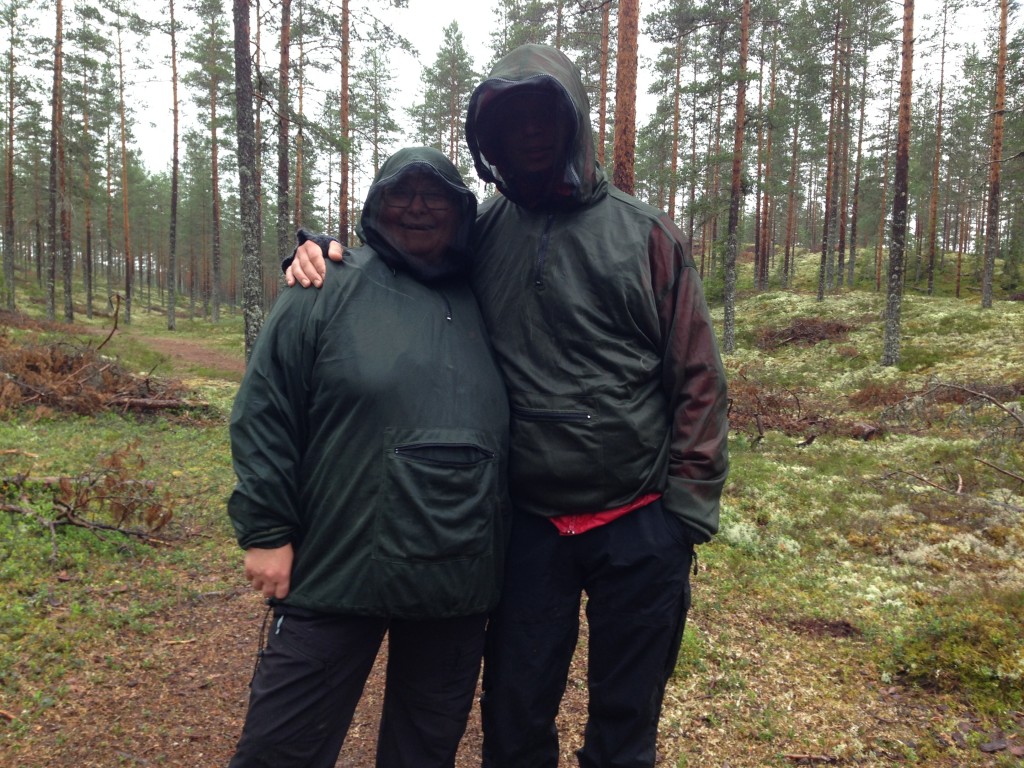 "Retrieve raincoat!" 🙂
Written by
Morten Egtvedt
Hovedkontor · Trondheim
Morten Egtvedt founded Canis in 1998. He has written three books and trained over 400 dog instructors in clicker training and reward-based dog training.
Se profil og andre artikler →More to read
Brukshund · 10. juni 2021 · 6 min
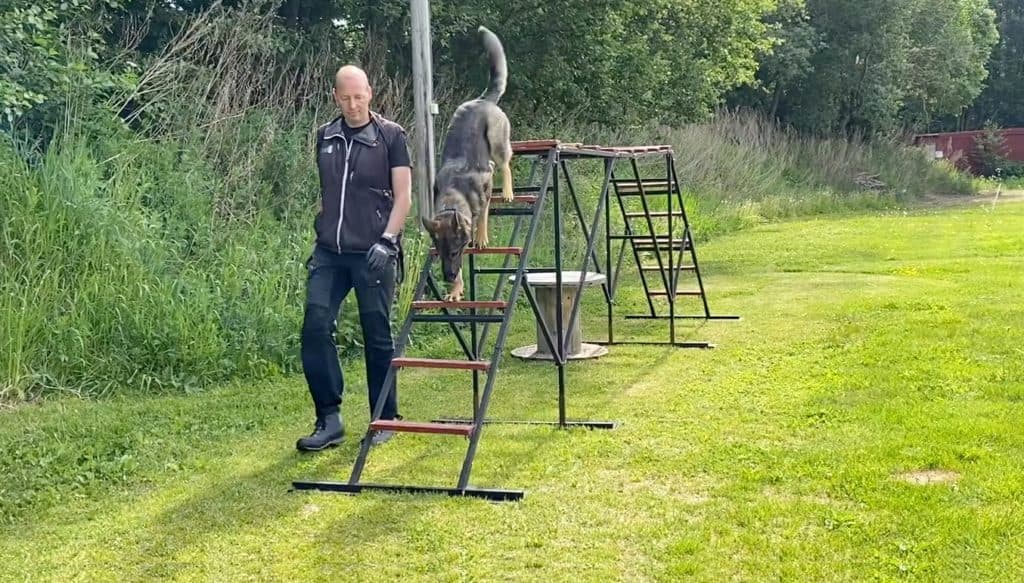
Baklengskjeding av Stigen – med startknappatferd
I dag hadde vi den femte økten på «Brukshundstigen», siden vi startet innlæringen av denne øvelsen for et par uker siden.
Morten Egtvedt
Brukshund · 23. mai 2016 · 6 min
Årets første runderingskurs
I helgen holdt jeg årets første runderingskurs i Silkeborg (Danmark) for en gruppe erfarne trenere, som i lengre tid har trent etter prinsippene i boka «Rundering i teori og praksis».
Morten Egtvedt
Brukshund · 13. april 2018 · 4 min
Herpes og hundetrening
Herpes er et utrolig kjipt virus på den måten at har du først fått det, så er det der resten av livet ditt.