
Canis Clickercamp – Day 3
All handlers can be placed somewhere between 1 and 10 on the scale based on how relaxed they are on the midline when working around with their dog (or training other things for that matter).

6. juli 2015 · 3 min read
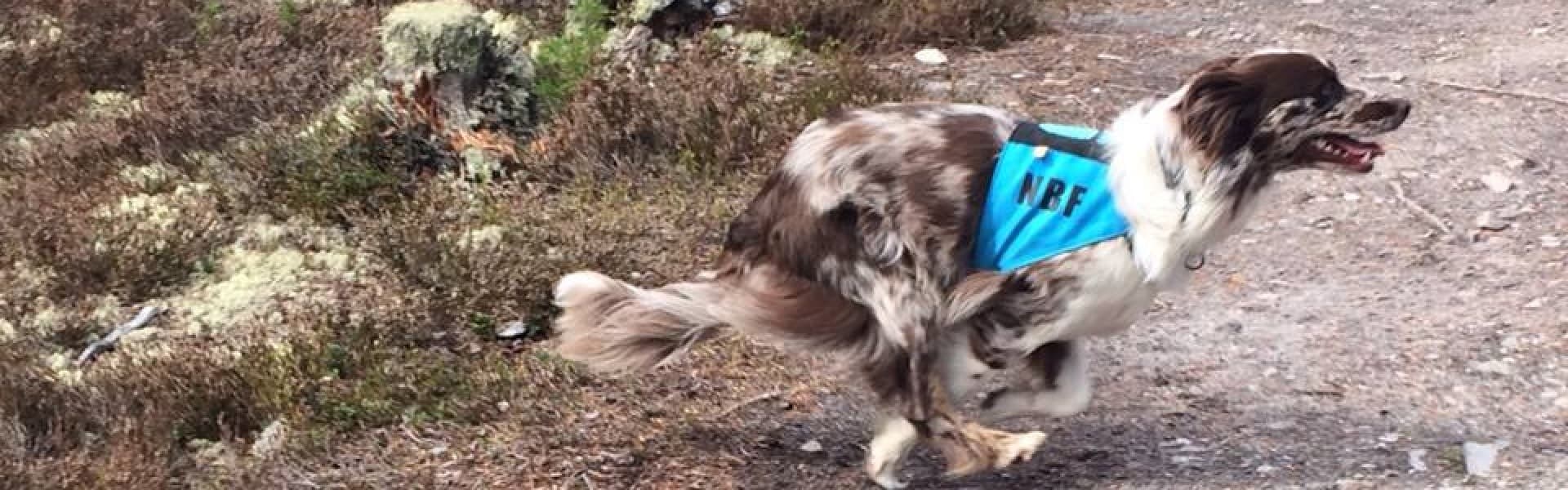
This week I have course participants as usual who between them cover most of the scale, and I thought it might be a good idea to write a bit about this phenomenon.
If you're sitting at 8-10 you're particularly tense when you walk the centre line. Your body is anything but relaxed, your usual sense of humour and self-irony are temporarily conspicuous by their absence, and every single little deviation from your ideal picture for the session (which you've etched onto your retina) feels like a catastrophe. If the session (by your standards) goes "well" you feel intense relief afterwards. If the session goes "badly" the rest of your day is ruined. Does that sound familiar?
If you're sitting between 1-3 you're very relaxed on the centre line. You're in balance, you're much more present (because your head isn't occupied with all the world's catastrophic thoughts about things that possibly maybe could go wrong). You smile and take things in your stride. If your dog makes a mistake or things don't go exactly as planned, you still have the ability to laugh about it, whilst doing what can be done in that moment to put things right. I sometimes say that on the centre line you can be so relaxed that you could talk on your mobile phone while you're handling your dog back and forth across the centre line. If the session goes "well" you're pleased. If the session goes "badly" you're still pleased (whilst making a mental note of what you might do differently next time).
Why am I writing about this? Well, for a simple reason that you'll probably see as soon as you read this question: When do you think you train best and make the best decisions on the spot in dog training?
a) When you're relaxed, in balance and generally don't take things too seriously, or
>
b) when you're so tense it looks like you've got a target stick up there where you know?
The answer is fairly obvious. When we're tense and uptight, we see mostly problems and few solutions. Logic and problem-solving ability disappear. And when every single tiny mistake is a potential catastrophe, we don't dare increase criteria even when it's high time we did.
When we remember that dog training isn't that serious in the grand scheme of things, we're no longer so "dependent" on things going exactly as we'd planned. And from that place we generally make much better training decisions. We become more responsive in the moment and more flexible to make changes on the spot when needed. This is perhaps particularly valuable in the heelwork pattern, because there are so many variables in the picture that we never have full control of everything at any given time, no matter how well we've planned the session beforehand.
Written by
Morten Egtvedt
Hovedkontor · Trondheim
Morten Egtvedt founded Canis in 1998. He has written three books and trained over 400 dog instructors in clicker training and reward-based dog training.
Se profil og andre artikler →More to read
Brukshund · 10. juni 2021 · 6 min
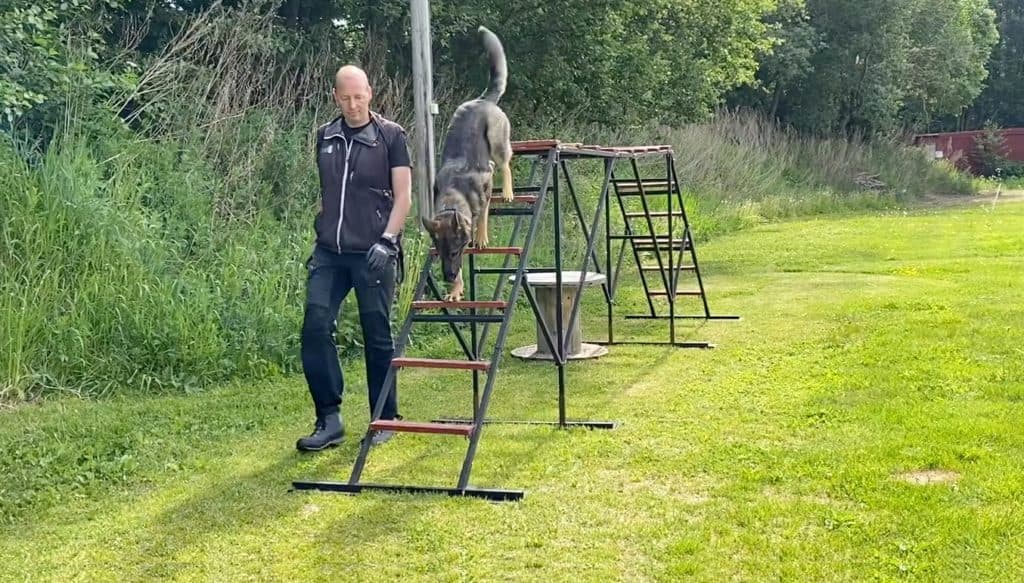
Baklengskjeding av Stigen – med startknappatferd
I dag hadde vi den femte økten på «Brukshundstigen», siden vi startet innlæringen av denne øvelsen for et par uker siden.
Morten Egtvedt
Brukshund · 23. mai 2016 · 6 min
Årets første runderingskurs
I helgen holdt jeg årets første runderingskurs i Silkeborg (Danmark) for en gruppe erfarne trenere, som i lengre tid har trent etter prinsippene i boka «Rundering i teori og praksis».
Morten Egtvedt
Brukshund · 13. april 2018 · 4 min
Herpes og hundetrening
Herpes er et utrolig kjipt virus på den måten at har du først fått det, så er det der resten av livet ditt.