
Locked front legs vs locked back legs in distance command – part 2
What creates the most pull? It's poorly executed exercises that create the most pull, regardless of which exercise you're talking about.

1. august 2019 · 3 min read
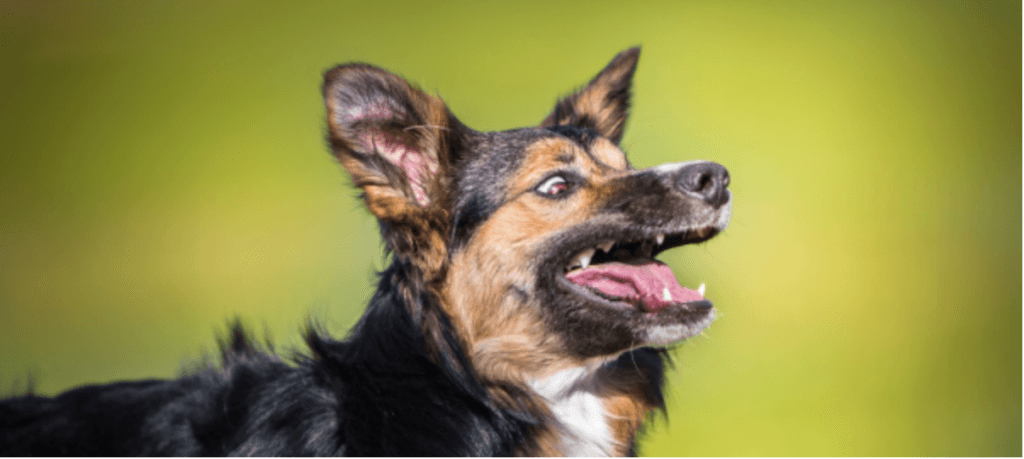
When you're standing a few metres away, I find it's easier to see whether the dog is keeping its front legs locked in all the transitions, and a bit more difficult to see whether it's keeping its back legs locked. However, that's not an argument against locked front legs. If the dog isn't maintaining the criterion of locked legs in all the transitions, then you need to go home and train it better, regardless of whether you're working with locked front legs or back legs.
I've also heard that there will be deductions for the transition from sit to down with locked front legs because the dog has to stand briefly on the way to down. And yes, some dogs do stand briefly on the way to down, but that doesn't mean all of them do. It's entirely possible to train your dog to make the transition directly from sit to down.
Of course, it's the judge who judges, but I don't think Cobra stands briefly in these transitions. Here I've also edited the video and slowed it down to 10% speed to make it easier to see.
My dog has more natural movement with locked front legs than locked back legs (or vice versa)…
I've rarely seen dogs that have one more naturally than the other in all the transitions. Mostly, dogs choose movements that bring them closer to their handler. From sit to down, it often looks like locked back legs, whereas from stand to sit it usually looks most like locked front legs.
Strictly speaking, you don't need to choose either way—you can train both and put different commands on the different transitions using different techniques. It's just strength training!
Do you have any questions on this topic? Or have you come across any claims you'd like to hear my thoughts on? Fire away!
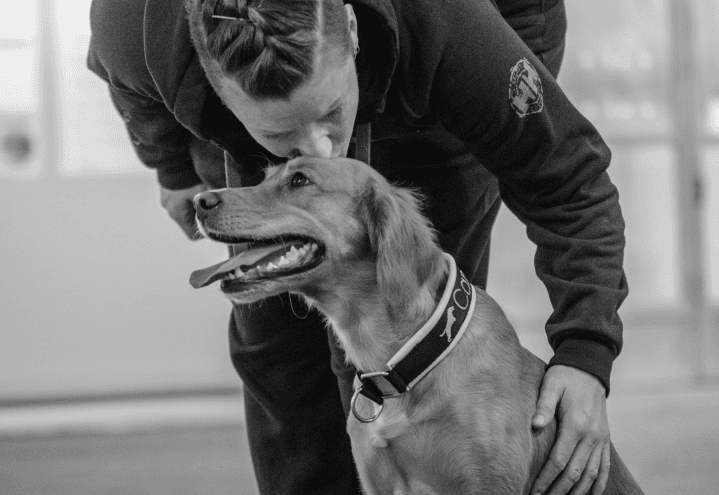
Would you like to start learning or improving distance handling with your dog? Then my brand new rear end control course is a great place to start. Whether you want to work with locked front legs, locked back legs or aren't quite sure yet, your dog will need good rear end control to perform the transitions properly, amongst other things. It also needs good strength, stability and core musculature, and of course that's included in this course too. Curious? You'll find more information and enrolment details here:
More to read
Konkurranselydighet · 8. august 2020 · 2 min
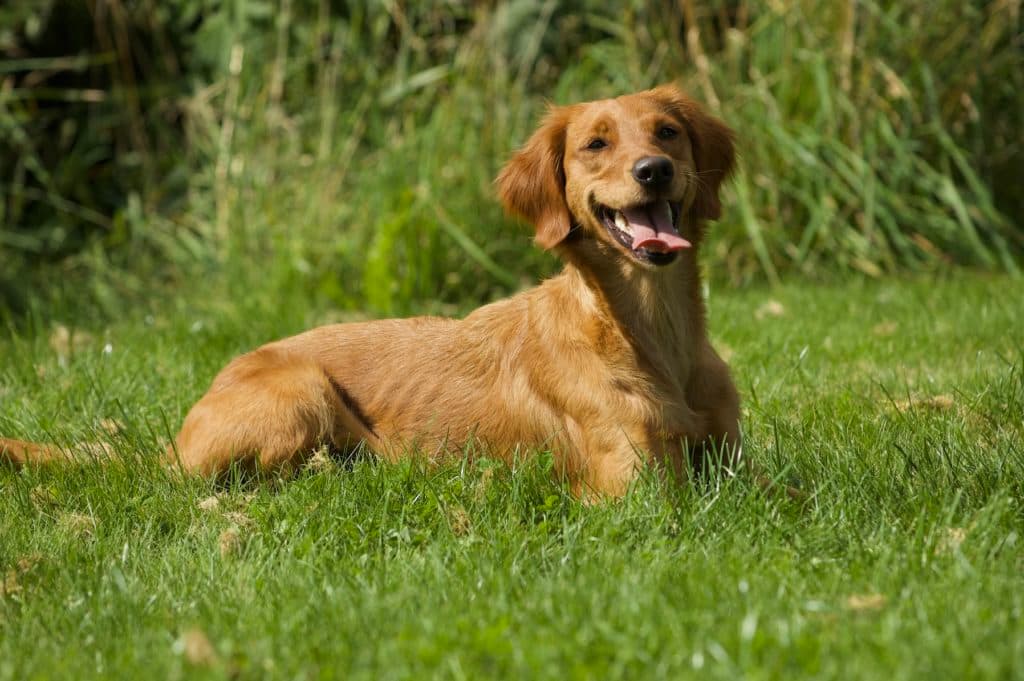
Innlæring av dekk under marsj
Videre derfra ser jeg på alt som en forstyrrelse. Jeg endrer posisjoner, først sittende, før jeg så reiser meg opp og også legger på bevegelse.
Konkurranselydighet · 13. august 2019 · 2 min
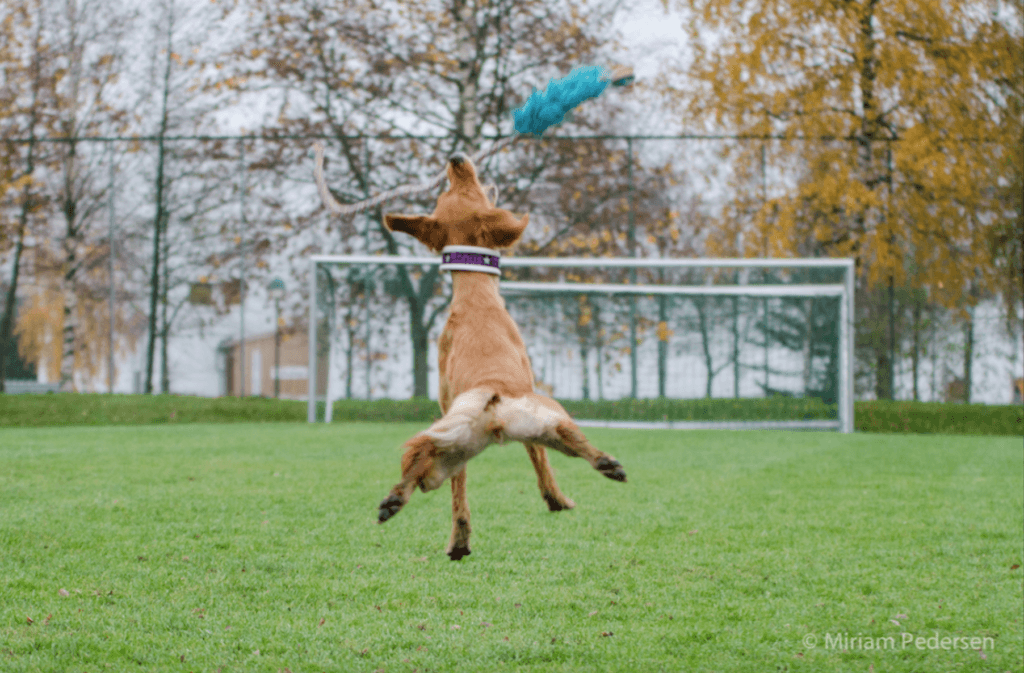
Låste frambein vs låste bakbein i avstandskommandering del 3
Hva er mest populært nå for tiden? Tidligere hadde veldig mange låste bakbein, men gjennom de siste årene har det kommet flere og flere med låste frambein.
Grunnferdigheter · 31. januar 2019 · 2 min
Den viktige grunnstyrken
Jeg har fire hunder nå og de har ganske forskjellig utgangspunkt.