
Læringsteori·Konkurranselydighet
"My dog won't play"
It's not uncommon for me to meet owners who apologise because their dog cannot or will not play with them.
19. august 2017 · 3 min read
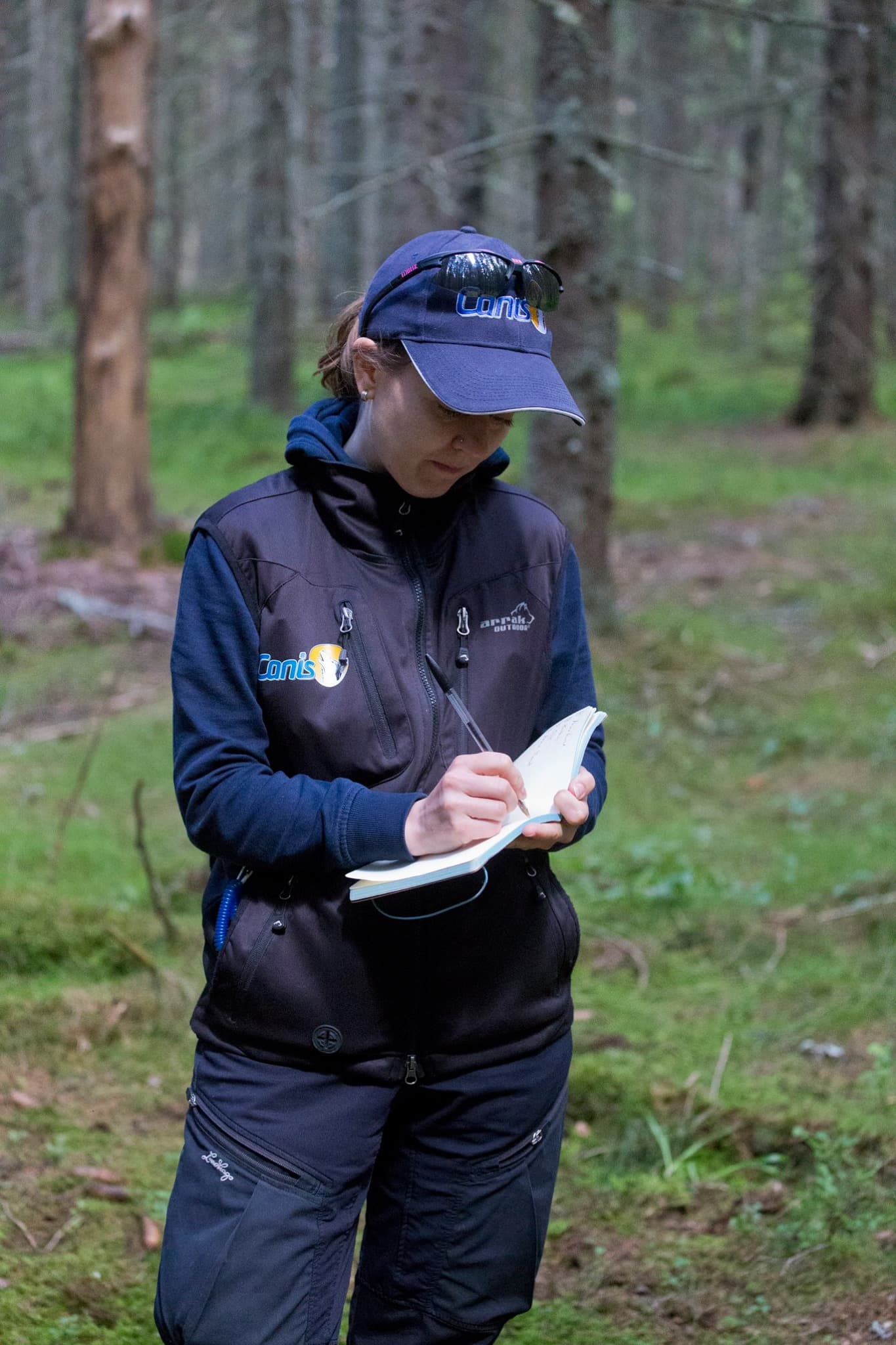
Now, I'm sure some of you are thinking "but is playing with your dog really that important?". Not necessarily. It really depends on what the owner's goals and ambitions are for their dog. Play can be a very effective reinforcer (reward), and for most people who are thinking of competing in a dog sport or similar, it will be useful to be able to use play as a reward.
That said, you don't need to have big ambitions to benefit from and enjoy playing with your dog! The main reason I think you should play with your dog (apart from the fact that it's great fun), is that it strengthens the bond between dog and handler. If you're really lucky, play can help you build better contact with your dog in situations where you haven't had such good contact before (for example, out on walks), simply because your dog will want to spend more time with you!
Still not convinced? Several studies have also found that play between dog and human can reduce stress in dogs (see for example Horváth et al. 2008 and Shiverdecker et al. 2013). I would imagine the same applies to people (it certainly does for me!). Play can also be a nice way to provide enrichment for your dog. It doesn't replace the need for walks and mental stimulation, of course, but it's a nice addition to your dog's daily enrichment. Finally, I should mention that playing with your dog is a very good excuse to get away with behaving rather childishly in front of others…
There can be several reasons why a dog owner struggles to play with their dog. Sometimes it's because the owner hasn't quite cracked the code for how the dog likes to play, and a few small adjustments to the way the owner plays with the dog might be all it takes to get things going. Other times, it can help to switch to a different type of toy. Some dogs play well at home, but struggle to play in other environments, such as outdoors, at the dog club or during a course. In such cases, it may be that there are things in the environment that feel more exciting than playing, but it can also be a sign that the dog is (too) stressed to be able to play in that particular situation.
I've met a few dogs that have been very difficult to get to play, but I have yet to meet one that won't play at all after a bit of effort from the owner's side (I'm not saying these dogs don't exist, but I have yet to come across one myself). Play is behaviour, after all, and it can therefore be learned and trained – like most other things! By practising playing, both we and our dog will get better at it (assuming we do it right, of course). However, it's not always straightforward for an owner to know how to go about getting their dog to play, and in such cases it can be helpful to get assistance from an instructor.
References
Zsuzsánna Horváth, Antal Dóka, Ádám Miklósi, _Affiliative and disciplinary behaviour of human handlers during play with their dog affects cortisol concentrations in opposite directions_, Hormones and Behaviour, Volume 54, Issue 1, 2008, Pages 107-114, ISSN 0018-506X, http://dx.doi.org/10.1016/j.yhbeh.2008.02.002.
Matthew D. Shiverdecker, Patricia A. Schiml, Michael B. Hennessy, _Human interaction moderates plasma cortisol and behavioural responses of dogs to shelter housing_, Physiology & Behaviour, Volume 109, 2013, Pages 75-79, ISSN 0031-9384, http://dx.doi.org/10.1016/j.physbeh.2012.12.002.
Written by
Kristine Korneliussen
Bodø
My speciality is using behavioural science in practice to help handlers build reliable competition dogs through systematic training and problem-solving.
Se profil og andre artikler →More to read
Læringsteori · 28. juli 2026 · 1 min
Podcast med Morten Egtvedt & Lundqvist Hundeskole
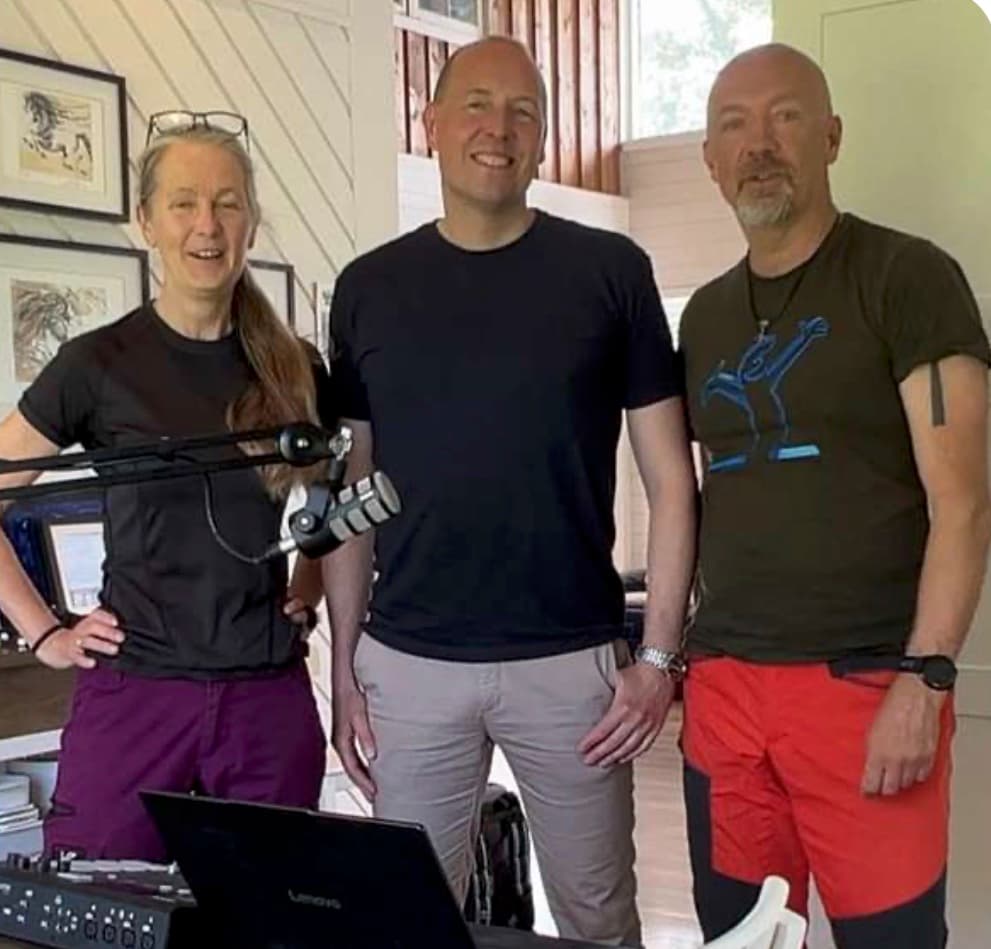
Ingerid og Vegard fra Lundqvist Hundeskole er på kursturné i Midt-Norge, og benytter sjansen til å svippe innom Morten Egtvedt fra Canis Hundeskole for hyggelig besøk og podcast innspilling.
Morten Egtvedt

Konkurranselydighet · 17. august 2020 · 3 min
Harde data er sexy
Kinntargeten til Cuba har vært «ok», men hun har liksom ikke «limt» seg til hånda tidligere. Som regel har hun gått litt med kinntarget, deretter sklidd litt fram og så kommet tilbake igjen.
Morten Egtvedt

Læringsteori · 10. mars 2026 · 3 min
Bruk av feil-signal forsinker treningen
I Psychology Today kan vi lese en veldig bra artikkel som tok for seg en problemstilling hundetrenere har diskutert i mange år.
Morten Egtvedt