
Free Clicking
"Contact is the most important thing in dog training!" If you've been training dogs for a few years, you've definitely heard some variation of that statement.

17. oktober 2018 · 4 min read · Canis Hovedkontor · Canis Trondheim
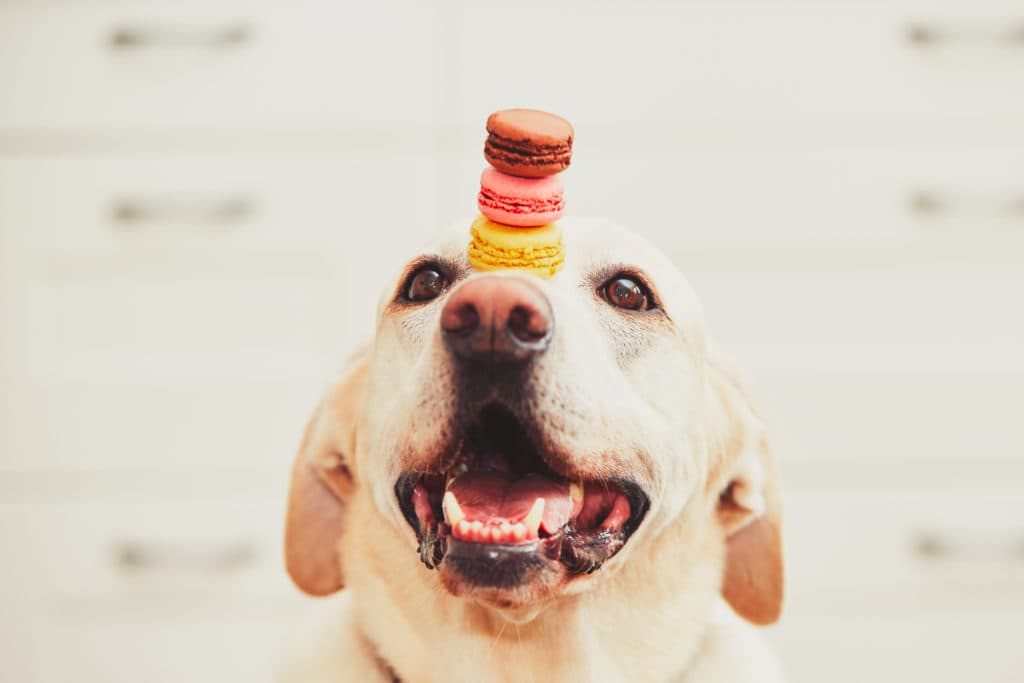
And it certainly sounds reasonable enough that dog owners rarely think much further about it. Clicker trainers are no exception – perhaps quite the opposite. It's very common to «click for contact», either as a warm-up or when things become a bit difficult for the dog, «to get it going again».
This week's tip from me is therefore perhaps a bit unexpected, but here it comes: STOP CLICKING FOR CONTACT!!
OK, thanks for today, new tip coming next week!
If I can explain this a bit further, you say? Well, it can be elaborated on in different ways. A good place to start might be to remind ourselves that «contact» doesn't really exist. «Contact» is an abstract concept, in the same way as «relationship» and some other common dog training terms.
Contact is at best a very imprecise behaviour description. But if you dig a bit deeper, most people agree that it's about the dog «looking at you» or a variation of this.
But in which situation should the dog look at you? When you're standing still or when you're moving? All the time? But what if the dog is moving away from you, such as during a retrieve? Should that still be «contact»? And is this the same type of «contact» as when the dog stands in front of you and looks at you? Should the dog «think» or «focus» on you the whole time regardless of which direction it's working in? How can you know what the dog is thinking or «focusing» on?
These are complicated questions. And a pleasant side effect of following this week's tip is that you don't really need to deal with them!
So what's the alternative? TRAIN MANY DIFFERENT BEHAVIOURS! Yep, simple as that. «Looking at you» can be one of these behaviours – but remember that there are over 100 other things it might be good to train!
Train in all the foundational skills you need for the dog sport you're working with, and a few extra just for fun. And train them well – that is, all the way to flow so that as many of the behaviours as possible are well «automated». In short – give your dog a LARGE behaviour repertoire with many different (as self-directed as possible) behaviours that it can perform well in several different situations.
– «But isn't it easier to train all these behaviours if we have contact first?» That's precisely where the problem often lies. What most dog owners call «contact» is not one specific behaviour.
«CONTACT» (if I have to use that word) IS WHAT YOU'RE GUARANTEED TO HAVE WHEN YOUR DOG CAN PERFORM AT LEAST 30 DIFFERENT BEHAVIOURS REALLY WELL!
If you just stand around «clicking for contact» however, it takes unnecessarily long to reach this level. When you «click for contact» you're not just clicking that the dog «looks at you». You're also clicking that the dog «stands passively in front of you».
It's fine that your dog can do this too, but when far too many clicks come only because the dog is standing calmly and looking up at you (which is very easy for the dog to do), why should it bother to offer other behaviours? I call this «free clicking».
And when free clicking gets out of hand, it leads to more passive dogs (not exactly what we want when we clicker train…). It's just so much easier to just stand here and let mum or dad click and feed me treats, and if something becomes difficult I can just opt out a bit, and then my owner will soon start clicking for contact again.
Does that sound familiar…?
My advice is therefore to cut out all this «free clicking» and instead work PURPOSEFULLY to shape in increasingly more new and different behaviours, with increasingly better flow. Make yourself a list of all the behaviours you want to teach, and get started! And don't stop training these behaviours until your dog can do them so well it can do them «in its sleep».
The «looking at you» is so built into most of these behaviours anyway, so it's unnecessary to give away free clicks for this.
- When do you present the target stick? When the dog looks at you.
- When do you start walking on a loose lead? When the dog looks up at you.
- When do you give the «down» signal
Written by
Morten Egtvedt
Hovedkontor · Trondheim
Morten Egtvedt founded Canis in 1998. He has written three books and trained over 400 dog instructors in clicker training and reward-based dog training.
Se profil og andre artikler →More to read

Filosofi · 22. mai 2026 · 5 min
Vitenskapelig hundetrening?
Jeg tror tiden har kommet for å avkrefte en myte, og det kommer muligens til å gjøre litt vondt for mange. Det gjør ofte vondt å skifte oppfatning om noe, men det går over og man kommer som regel klokere ut av det.
Morten Egtvedt
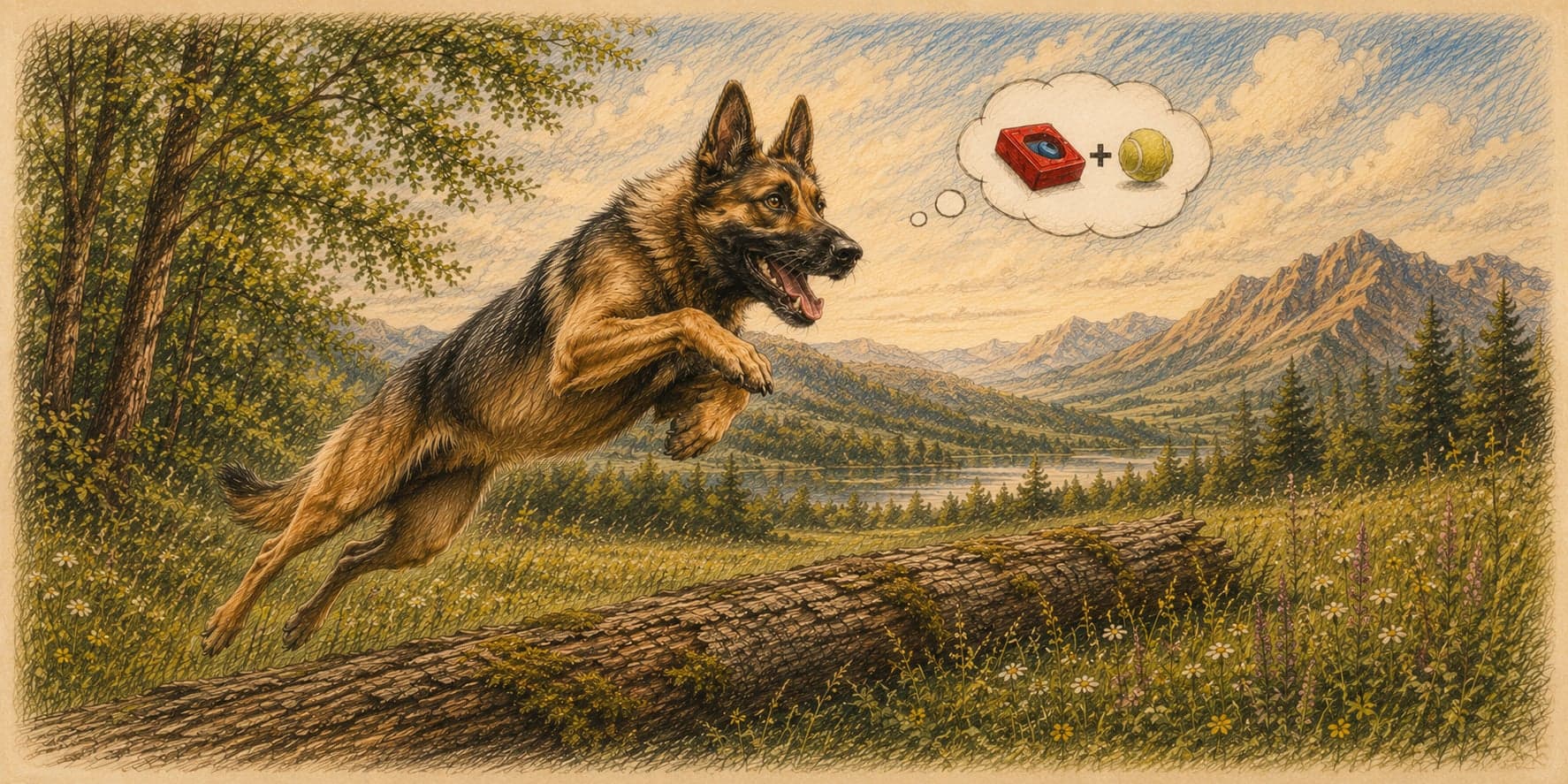
Klikkertrening · 19. mai 2026 · 3 min
Instruktørutdannelse hos Canis
Hvis du har lest bøkene «klikkertrening for din hund» eller «Lydighetstrening i teori og praksis», har du lært om betydningen av fokusere på 4 ting for å effektivisere treningen din (eller til dine kurselever):
Morten Egtvedt

Læringsteori · 10. mars 2026 · 3 min
Bruk av feil-signal forsinker treningen
I Psychology Today kan vi lese en veldig bra artikkel som tok for seg en problemstilling hundetrenere har diskutert i mange år.
Morten Egtvedt